What does it mean to wear a proverb? In the town of Bonwire, in Ghana’s Ashanti Region, the question is not metaphorical. Here, a strip of cloth is not just fabric; it is a library of social history, a marker of status, and a livelihood that hangs by a thread. Kente is cloth assembled from narrow handwoven strips, a larger surface made by joining many smaller acts of skill. Its weaving is a practice that has been inscribed on the Representative List of the Intangible Cultural Heritage of Humanity, a designation that arrived in 2024. Yet, for the artisans who sit at the horizontal looms in this historic community, the global recognition does not automatically translate into economic security. The central tension of Bonwire today is not about the beauty of the weave, but about the cost of the materials that make it possible.
The Architecture of a Cloth
To understand the weight of Kente, one must look at its construction. It is not a single piece of material but a collection of narrow bands, each four inches or ten centimeters wide, woven on a horizontal strip loom. These strips are carefully arranged and hand-sewn together to create a cloth of the desired size. The materials vary, including silk, cotton, or rayon, but the method remains rooted in a specific division of labor. UNESCO, the United Nations organization concerned with education, science, and culture, describes different tasks across the production of yarn, cloth, and looms, involving both women and men.

This division is not merely functional; it is structural. Its account also identifies a chief weaver who helps coordinate the makers and their relationships with one another and with buyers. This hierarchical yet collaborative structure ensures that the cloth maintains its integrity and meaning. The finished products are not anonymous. They are named with proverbs, sayings, and social situations. A wearer does not simply put on a garment; they put on a message. The age, social status, and gender of the user influence the choice of color and design, making the cloth a vehicle for identity construction and information transfer.
A study of Bonwire weavers describes learning through family ties, apprenticeship, and contact among makers [4].

However, the flow of knowledge is expanding. While traditional face-to-face interactions and personal contacts remain key, social media and online social interactions are increasingly important in the knowledge flow, even within traditional societies. This digital shift allows weavers to reach audiences beyond their immediate community, connecting generations and bridging the gap between local artisans and global consumers.
Despite the cultural prestige and the UNESCO inscription, the weavers of Bonwire face a precarious economic reality. The primary challenge is the high cost of imported threads. Many weavers have voiced their frustration, stating that they cannot continue to rely on expensive imported threads. The rising cost of production is making it increasingly difficult to sustain the craft.
In response, Bonwire Kente weavers have called on the government to establish a local thread factory. They argue that such a facility would not only make thread more affordable but also create employment opportunities for their people. A local factory would ease the cost burden of production and help the weavers compete in the market. Additionally, they have requested a dedicated working space that respects and honors their craft, believing that a dedicated facility would enhance creativity and productivity.
The economic pressure is compounded by the influx of fake and printed Kente fabrics, mostly imported. These imitations are undermining the livelihoods of the artisans. The weavers are urging the government to ban or impose stricter controls on imitation Kente designs, describing the situation as a major threat to the survival of the industry. The distinction between hand-woven Kente and machine-printed imitations is crucial, not just for quality, but for the integrity of the craft.
In February 2026, Bonwire weavers called on the government to declare a National Kente Day [5]. The weavers argue that Kente, which is globally recognized as a symbol of Ghanaian identity, royalty, and tradition, deserves similar national recognition.
They believe that a National Kente Day would ensure inclusiveness, boost patronage for locally woven Kente, create jobs, and help sustain the centuries-old craft passed down through generations. This call for recognition is part of a broader effort to preserve cultural heritage while advocating for policies that protect local craftsmanship. The weavers are not just asking for charity; they are asking for a structural acknowledgment of their role in the nation’s cultural and economic fabric.
An Unresolved Tension
The story of Kente in Bonwire is one of resilience and adaptation, but it is also one of unresolved tension. The craft has been enriched over time through the creativity and innovation of weavers, yet the economic conditions are tightening. The global recognition of Kente as a symbol of African pride does not automatically protect the local artisans from the pressures of global supply chains and imitation.
The weavers are carrying the weight of a tradition that is both a source of identity and a source of livelihood. Their public calls for a thread factory and protection from imitations make the economic pressure visible. The question remains: can a craft that is so deeply rooted in local history and social structure survive in a global market that often values the symbol over the substance? The answer lies not just in the beauty of the weave, but in the policies that support the weavers who create it.

Recognition and working conditions are different measures
A heritage inscription, a maker's policy request and a buyer's choice describe different parts of the craft's future. The distinction matters when evaluating the claims made on behalf of weavers. An appeal for a factory documents an expressed need; it does not establish that a factory was built or that a particular policy would solve the problem.
| Evidence | What it establishes | Follow-up needed |
|---|---|---|
| UNESCO's kente record | Recognition of a practice and its transmission. | How recognition affects particular makers' work. [1] |
| Reported request for a thread factory | Weavers identify material supply as a concern. | Actual input costs and any policy response. [3] |
| February 2026 National Kente Day appeal | A dated proposal for recognition and patronage. | Whether it was adopted and who benefited. [5] |
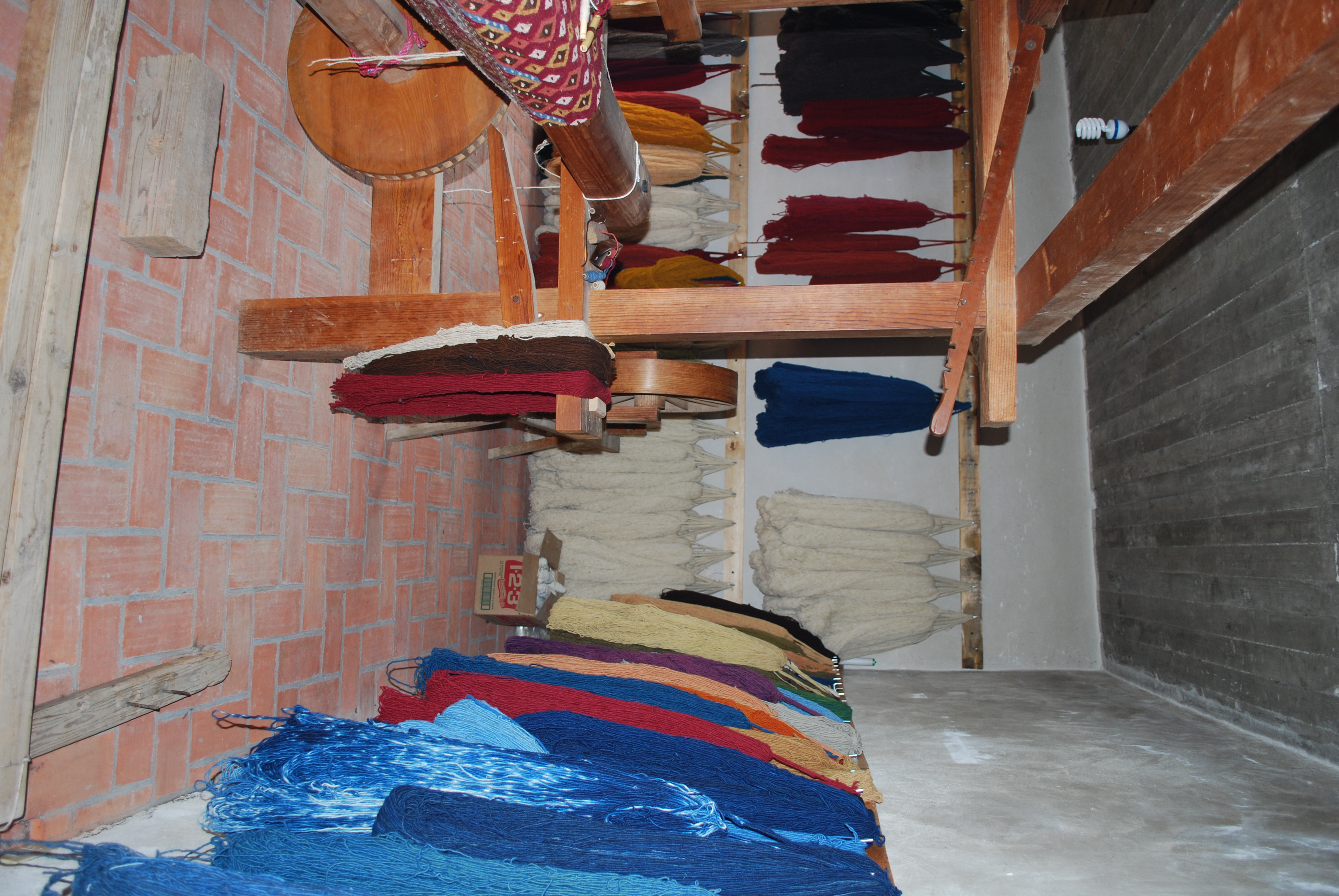
Bonwire is the focus here. Photographs from other Ghanaian weaving communities are contextual examples, not evidence about a Bonwire workshop. A buyer comparing pieces should distinguish woven construction from printed imitation, ask for the maker's name, and seek a description of materials. Pattern recognition alone cannot establish who was paid or where a cloth was made.
Sources & further reading
- ich.unesco.org. Craftsmanship of traditional woven textile Kente - UNESCO Intangible Cultural Heritage.
- festival.si.edu. Crafts of African Fashion | Smithsonian Folklife Festival.
- myjoyonline.com. Bonwire Kente weavers call for establishment of local thread factory for sustainability - MyJoyOnline.
- Henry Boateng, Bhuva Narayan. Social capital and knowledge transmission in the traditional Kente textile industry of Ghana.
- citinewsroom.com. Bonwire Kente Weavers call for National Kente Day to preserve heritage.
- GNA. MTN supports 2024 Bonwire Kente Festival | Ghana News Agency.