Begin with the people listening
Electronic music invites a story about equipment. A synthesizer, an electronic instrument that creates and shapes sound, produces a new texture; a drum machine, which programs percussion into repeatable patterns, makes a rhythm possible. But tools do not explain why a particular group of people hears a new world in those sounds. For Detroit techno, the electronic dance music shaped by the city’s early makers, a more revealing starting point is the culture of listening around its early makers.
Juan Atkins grew up in Detroit before moving to Belleville, a community near Detroit, as a teenager. The Detroit Historical Society describes his interest in George Clinton and Kraftwerk, his friendships with Derrick May and Kevin Saunderson, and their shared exploration of electronic music. The three became known as the Belleville Three.[1]
These details locate the story in a relationship between city and suburb, friends and influences. They also keep the artists in view. A genre’s identity is made through decisions: what to listen to, which possibilities to pursue, and whom to make things with.
Radio as cultural infrastructure
The Electrifying Mojo, the radio personality born Charles Johnson, offered Detroit listeners an unusually expansive musical world. The Historical Society describes broadcasts that crossed funk, rock, soul, and electronic experimentation, sometimes giving an entire album side room to unfold. His selections included Parliament-Funkadelic, Prince, and Kraftwerk.[2]
That openness can serve as cultural infrastructure. A radio show can create connections among sounds that an audience might otherwise encounter separately. It can make unfamiliar music feel available, worth considering, and close enough to answer with an experiment of one’s own.
There was a feedback loop here: Mojo influenced local electronic musicians and later played their work. The broadcaster helped circulate a set of possibilities; local artists transformed them; their music returned to the airwaves.[2] This is a more specific mechanism than saying that a city simply possesses a creative spirit.

Making a future in your own language
Atkins formed Cybotron with Rick Davis in 1980. The Historical Society connects their music with a shared interest in futurism. After the partnership ended, Atkins recorded as Model 500 and founded Metroplex, creating a label as well as music.[1]
That distinction matters. An artistic idea needs ways to reach listeners. Friends, parties, radio, and a record label form different parts of that journey. Each can help turn a private experiment into something that others recognize and build upon.

It is tempting to compress a city’s music into a simple response to its economic circumstances. Folkly takes a closer view: pressure is part of an inquiry, but so are pleasure, curiosity, ambition, and the choices of particular people. These sources establish a network of influences and relationships; they do not prove that adversity caused techno.
The point is to hear the music as an act of authorship. Its makers could inherit sounds, combine them in new ways, and propose a future of their own. A local identity can become recognizable through invention as well as preservation.

Machines do not make a scene by themselves
Electronic instruments are easy to photograph and easy to turn into symbols of techno. They matter as tools, but possessing a machine is not the same as knowing what to do with it. A rhythm pattern still requires choices about timing, emphasis, repetition, and change. The music comes from relationships among those decisions, and from the response of people who hear them in a particular setting.

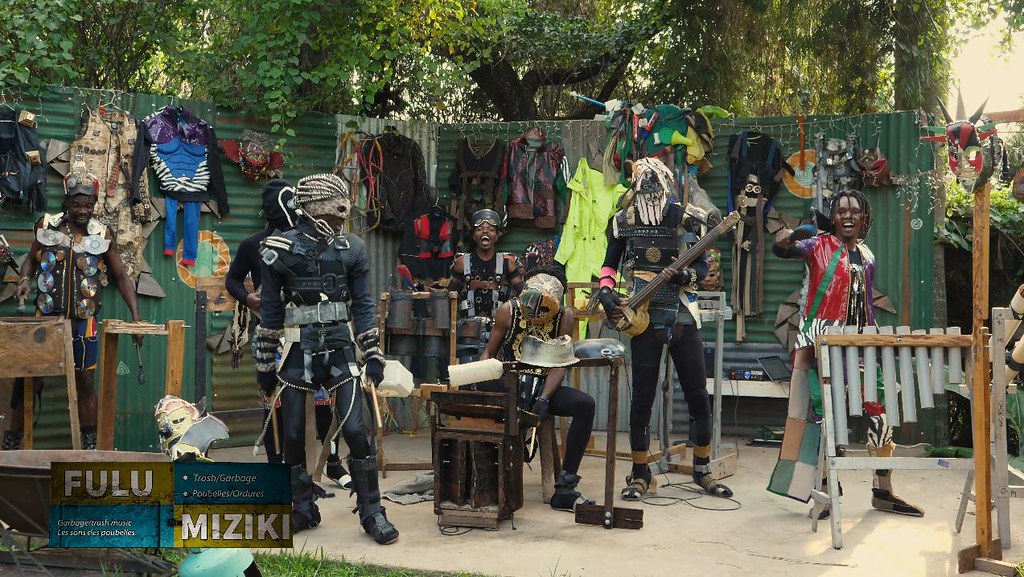
The photograph of a piece of equipment should therefore be read as material context, not as proof that a named producer used that exact unit on a named recording. A modern performance photograph has a similar limit. It can show a musician at work at the moment documented, but cannot stand in for a scene from the early years. Distinguishing those contexts allows images to add information without quietly inventing history.
Repetition deserves especially close listening. A recurring pattern can make a small alteration more noticeable. It establishes an expectation against which another sound arrives, disappears, or shifts. Listening for those relationships is more useful than assuming an electronic track is mechanically uniform. A sequence can be carefully composed even when its expressive decisions are distributed across timbre and texture rather than a sung narrative.
An address for a new sound
Atkins's formation of Metroplex, as described by the historical society, brings another kind of infrastructure into view.[1] A record label gives recordings a route into circulation and connects an artistic identity to practical decisions. The work must be presented, named, and made available. Those activities shape how a sound reaches an audience, even though they may be less visible than the performance or studio session.
A scene also needs ways for its participants to recognize one another. Shared influences do not require identical results. People can work with related tools and still develop different priorities. The familiar names used to tell a genre's story offer useful entry points, but should not be mistaken for a complete account of everyone who made its circulation possible. Dancers, organizers, record sellers, broadcasters, and other collaborators belong to that wider picture.
Calling the music Detroit techno ties it to a place without suggesting that the city determines every note. Place describes relationships: where people met, what they heard, and where they could bring a new recording to someone else's attention. In 2000, the city’s first Detroit Electronic Music Festival made that relationship public at Hart Plaza; the event later became Movement and continued to gather local and visiting artists with listeners.[3] A musical geography is made through those repeated encounters, not only through a municipal boundary.
Hearing a future made locally
Begin with the listening examples already linked in this article and make two passes through a track. In the first, follow the pulse and notice when your sense of movement changes. In the second, pay attention to the sounds that sit above and around that pulse. Listen for entrances, silences, and differences in texture. These are ways to hear decisions that a broad genre label can conceal.

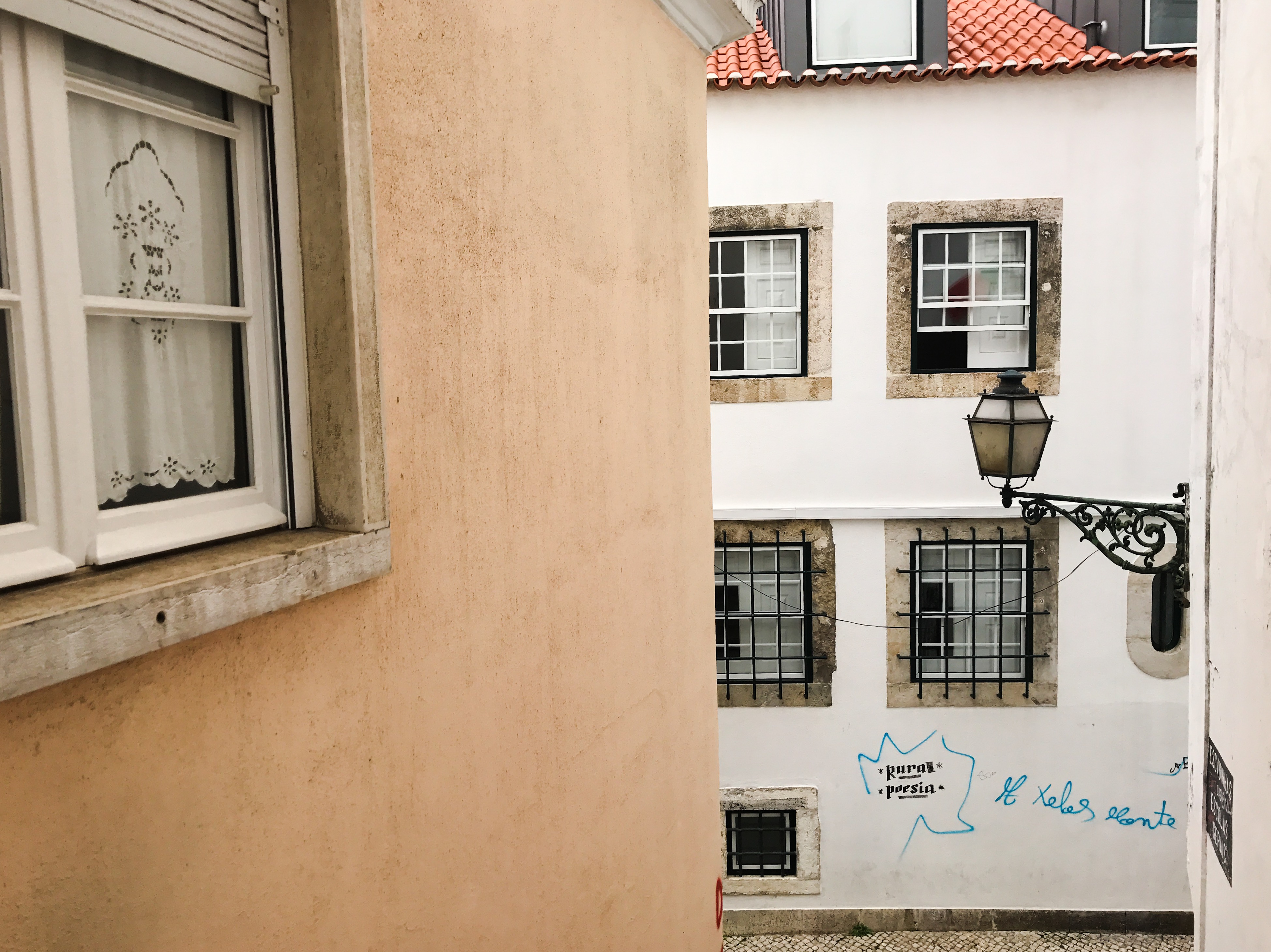
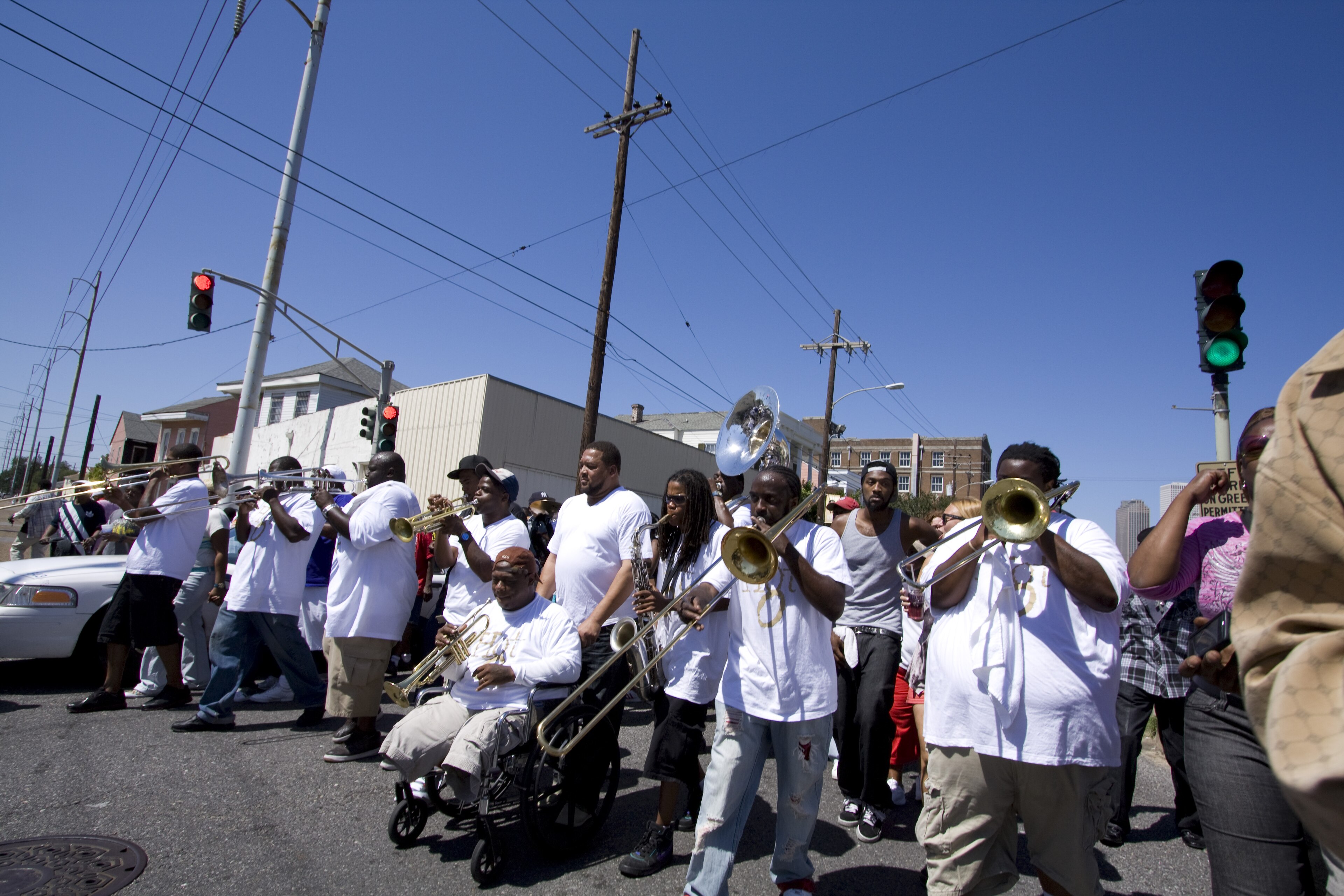
The comparison with New Orleans brass music or Lisbon fado is not a claim that their histories are interchangeable. Each offers a distinct example of people making a recognizable language through shared practice. The tools, institutions, and social circumstances differ. What connects them is the value of looking beyond the celebrated sound to the relationships that permit someone to learn it, challenge it, and bring it to an audience.
Detroit's musical future was not waiting inside a machine to be switched on. It was made through the choices of people listening, experimenting, and circulating their work. Recognizing that agency avoids reducing the city to either an industrial metaphor or a story of decline. The music is evidence of creative decisions. Its continuing interest lies in how those decisions can remain audible long after the first context of a recording has changed.

Listen to the city
Hear Innerzone Orchestra’s “Bug In The Bassbin” on Planet E. Its meeting of electronic rhythm and jazz offers one way into Detroit’s musical imagination.
From a home recording to a public sound
In Afropop Worldwide's interview published June 14, 2011, Juan Atkins recalls experimenting with cassette decks, a synthesizer and a mixer before working with Rick Davis. He also describes Mojo playing their record. This participant account adds a practical sequence to the institutional biographies: making a recording and getting it heard were separate achievements. It is Atkins's retrospective account, not a complete origin history.
- Home experiment. A listener becomes someone arranging and recording sounds. Atkins recalls his early equipment and working circumstances. [4]
- Broadcast. A locally made record reaches people beyond its makers. Atkins describes Mojo playing Alleys of Your Mind. [4]
- Record label and circulation. An artist also needs a way to release work. The Historical Society's account of Model 500 and Metroplex. [1]
The sequence makes cultural infrastructure concrete. Equipment permits an experiment, a broadcaster selects it, and a release gives it a repeatable route to listeners. None is sufficient alone. The linked Innerzone Orchestra example offers a listening exercise rather than an illustration of Atkins's equipment: follow the percussion across a repeated passage and notice how other parts change its apparent movement. Different Detroit recordings can answer different musical questions.
Sources & further reading
- Detroit Historical Society. Atkins, Juan.
- Detroit Historical Society. Electrifying Mojo, The.
- Detroit Historical Society. Detroit Electronic Music Festival (Movement).
- Afropop Worldwide. Juan Atkins Interview (June 14, 2011).