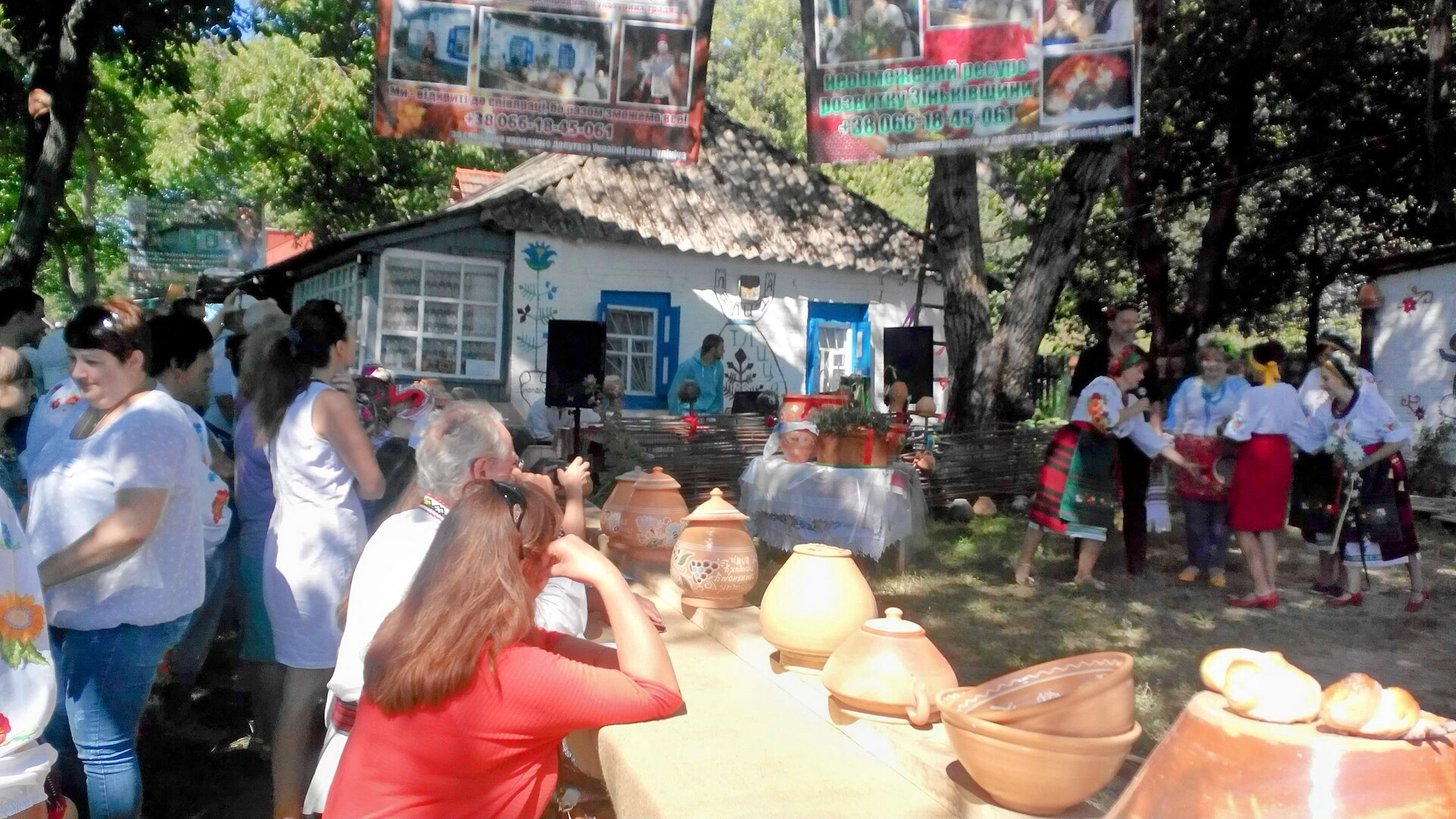
For Maria Gryn, singing belonged to the end of the working day. A former milkmaid in the northern Ukrainian village of Vovchok, she remembered pooling money for a bottle of wine and singing with other people after work. When journalist Simon Broughton met her for a report in Songlines, music was woven into her account of an ordinary life.
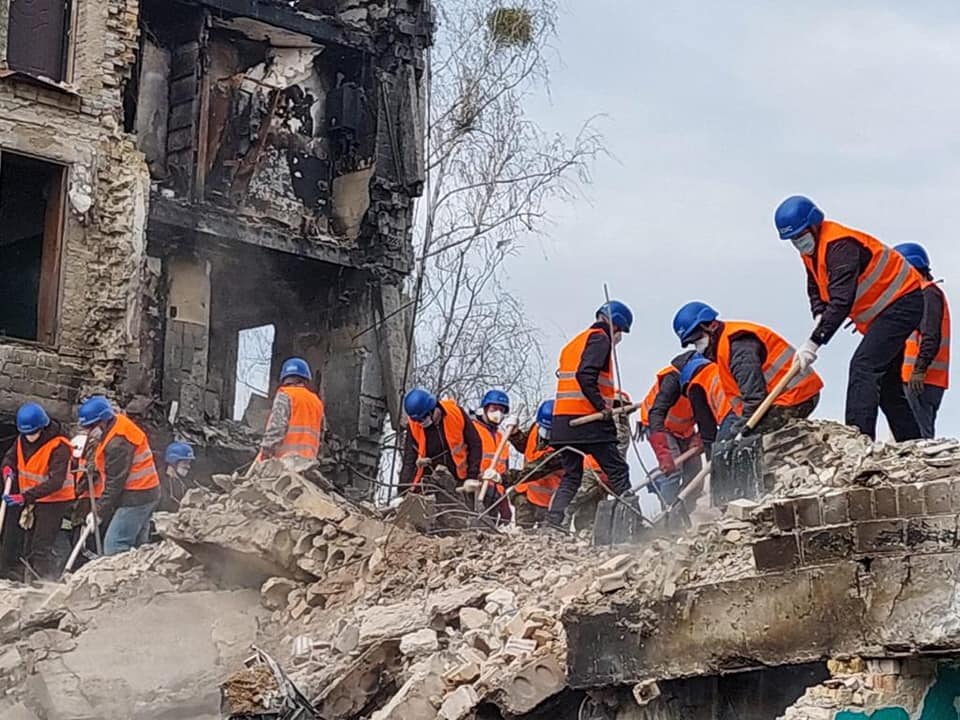
Another singer, Irina Tkachenko, described a song that brought her father to mind. His grave was in a different village, difficult for her to visit. The song brought something of that relationship within reach. She also spoke about finding comfort in singing while her husband was fighting in Mariupol. Broughton recorded these accounts before the full-scale invasion of 2022, during the war that had already begun in eastern Ukraine.1
These are useful people to meet at the beginning of a story about Ukrainian music. Their reasons for singing are recognizable: enjoyment, company, attachment, a way to get through a difficult time. The songs matter because they have somewhere to go in a life.
For listeners discovering Ukraine through news of the war, that can change the direction of attention. A country becomes easier to imagine when its people have favorite songs, private associations, and an evening they remember fondly. Culture has those intimate dimensions even when it takes on an urgent public role.
A country heard one village at a time
The Polyphony Project makes it possible to listen closely to some of those voices. Its online archive records singers with individual microphones, allowing a listener to hear separate parts or combine them. A song can be approached as a shared performance and as a set of individual contributions. The site also connects recordings to places, performers, lyrics, and other versions of a song.2
Try to imagine the difference that makes for someone learning. A recording of an ensemble can wash over you as one large sound. Hearing a particular part gives you something to follow. You can return to a phrase, work out where a voice enters, and listen again to how it belongs with the others.
The Ivan Honchar Museum in Kyiv describes a collaboration involving Ukraine, Hungary, and France, with visits to more than 100 Ukrainian villages and over 2,000 recorded examples of song heritage. Hungarian musician Miklós Both initiated the project, working with Ukrainian colleagues. These are the museum’s published figures, rather than a live count of the collection.3
The names attached to those recordings are as important as the scale. “Ukrainian folk music” is a broad category. A village name, a singer’s name, and an occasion for performing bring the music back into focus. They also give credit to people whose knowledge can disappear behind the idea of a timeless national tradition.
A scholarly review traces Both’s collecting trips to 2013. The work belongs to a longer history of research and musical curiosity, preceding the attention that followed February 2022.4
That longer history matters because war is now part of the context in which we hear these songs, but it does not explain everything in them. A wedding song has its own drama. A teasing song needs its joke. Listening well includes allowing the repertoire to be larger than the event that first drew our attention to it.
Songs that belong to a season
Some of that repertoire follows the calendar. The Smithsonian’s account of the Chornobyl Songs Project describes songs associated with winter and spring, weddings, harvests, and other celebrations. The music helped give shape to a year in the villages of Kyivan Polissia, a region affected by the 1986 nuclear disaster.5
Thinking of a song as something that belongs to a season changes how we hear it. A tune may carry expectations about when people meet, what work they are doing, and what is about to happen. Its words can be remembered alongside a place and the people who usually sing them.
Ukraїner’s reporting on Polissia describes distinctive vocal ornamentation and layered parts, including a high voice carried by a single singer. It also explores repertoires concerned with love, travel, loss, and ritual. Local ways of singing have their own character; one region does not stand in for every other part of Ukraine.6
The sound can surprise listeners accustomed to a smoothly blended choir. A Smithsonian description of Ukrainian Village Voices explains that village singing often uses the chest register to produce a strong, open tone. Several melodies can move together, with voices contributing different shapes to the sound.7
That strength is something a recording lets an unfamiliar listener encounter directly. No prior expertise is required to notice a voice cutting through or to become curious about how the singers coordinate. Understanding the words adds another layer, but attentive listening can begin before translation.
The journey from village to city
The movement between rural singers and urban musicians has been going on for decades. The ensemble Drevo formed in 1979 with musicology students from the Kyiv Conservatory. Valentina Ponomarenko and Yevhen Yefremov were among its initiators. They wanted to sing the music they had encountered on collecting trips in Ukrainian villages.
According to the Lviv National Philharmonic’s account, the group worked on breathing, local pronunciation, vocal color, and melodic variation. Early reference points included Kyivan Polissia and the village of Kryachkivka in the Poltava region.8
This was demanding musical work. Having a trained voice did not automatically mean knowing how to sing in a particular village style. The learning required musicians to adjust what they were accustomed to doing and recognize expertise outside a conservatory.
There is something appealing about that reversal of the usual cultural hierarchy. A person can spend years studying music and still need to sit with someone whose knowledge was acquired through family and community. The encounter becomes worthwhile when both the difficulty and the authority of that knowledge are taken seriously.
Chornobyl made the vulnerability of such knowledge visible in a different way. Forced relocation separated people from the settings in which their repertoires had developed. Yefremov’s earlier field recordings later helped provide a basis for Ensemble Hilka’s Chornobyl Songs Project, which assembled a cycle of songs around the ritual year.5
A recording could preserve a voice after the circumstances around it had changed. It could also give another group material to learn. What it could not do was restore all the relationships that once made the music an ordinary part of village life.
That distinction gives cultural preservation a human scale. An archive needs careful management, but a living tradition also needs people with time to meet, teachers who can be reached, and younger singers who feel there is something here for them.
The Ukrainian song you may already know
One melody has traveled so widely that many listeners encounter it long before learning where it came from.
Shchedryk, arranged by Ukrainian composer Mykola Leontovych, became internationally familiar through the English-language Carol of the Bells. In its Ukrainian form, the song centers on a swallow bringing news of a household’s coming abundance. Program notes from Cal Performances place it among shchedrivky, New Year songs, and explain the associations between birds, spring, and good fortune in the tradition.9
The difference in imagery is a small revelation. A listener may recognize the melody immediately while meeting its swallow, yard, and promises of prosperity for the first time. Familiarity can become an invitation to ask what else has traveled with a song, and what has been left behind.
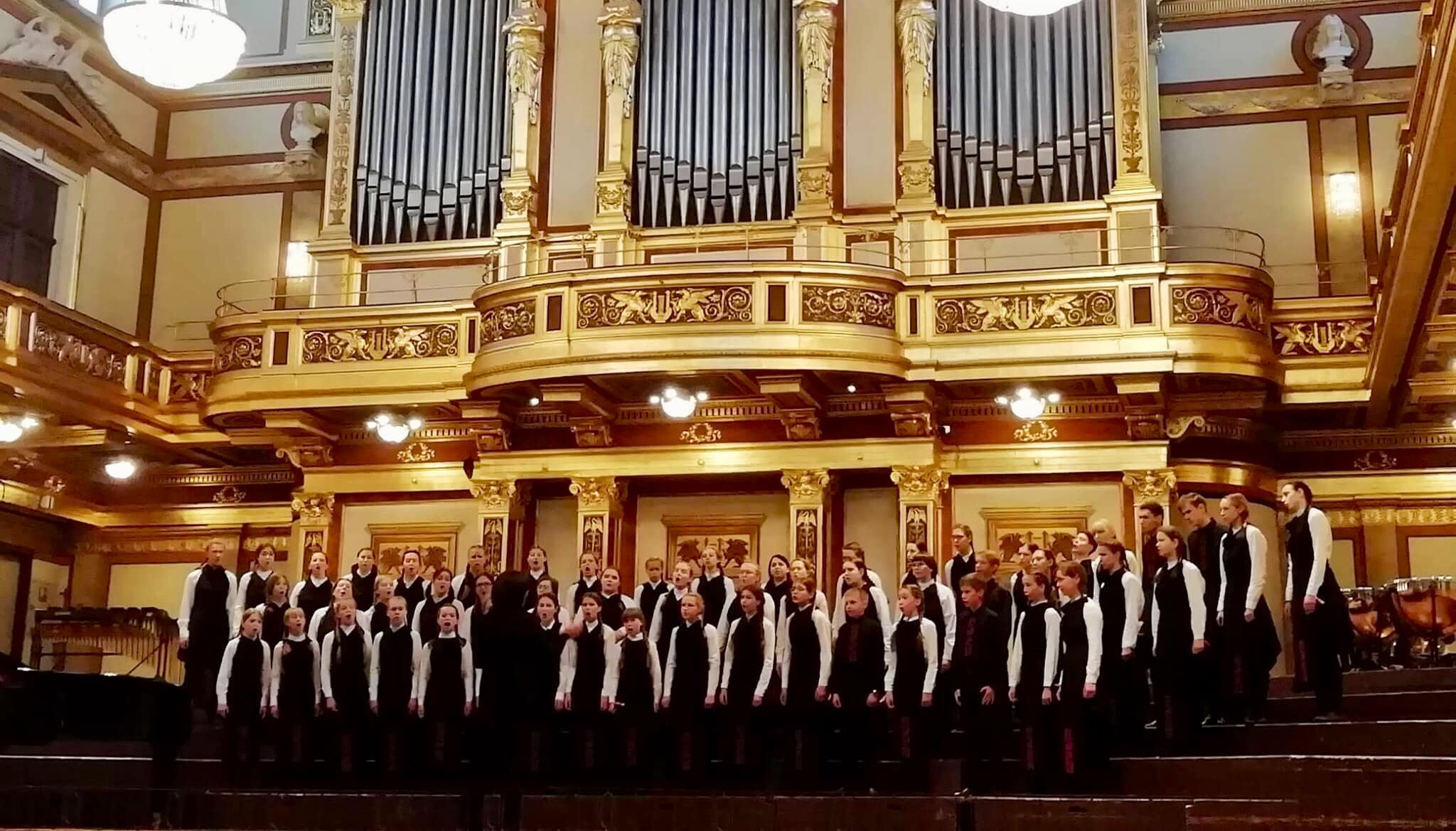
The Ukrainian Republic Capella performed the work at Carnegie Hall on October 5, 1922, during a tour that promoted knowledge of Ukraine abroad. A century later, the Ukrainian Institute helped organize a commemorative concert at the same hall. The December 2022 event included the Shchedryk children’s choir from Kyiv.1011
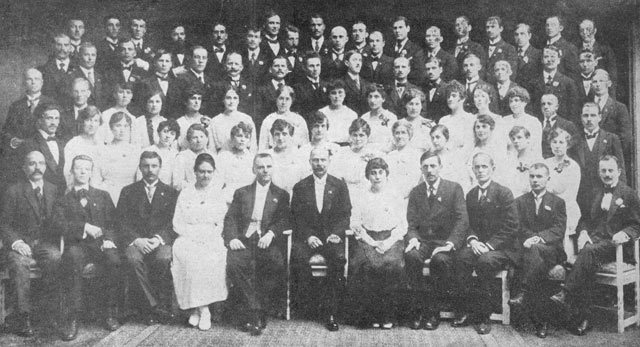
Across those two appearances, the melody connected different generations of performers to the same stage. In 2022, it also met an audience hearing Ukrainian music during a full-scale war.
For people outside Ukraine, recognizing the origin of a familiar tune is a manageable act of attention. It replaces a vague seasonal association with a composer, a language, and a history. The pleasure of the melody remains, now with more to hear in it.
Making something new from what came before
Traditions also continue through deliberate invention.
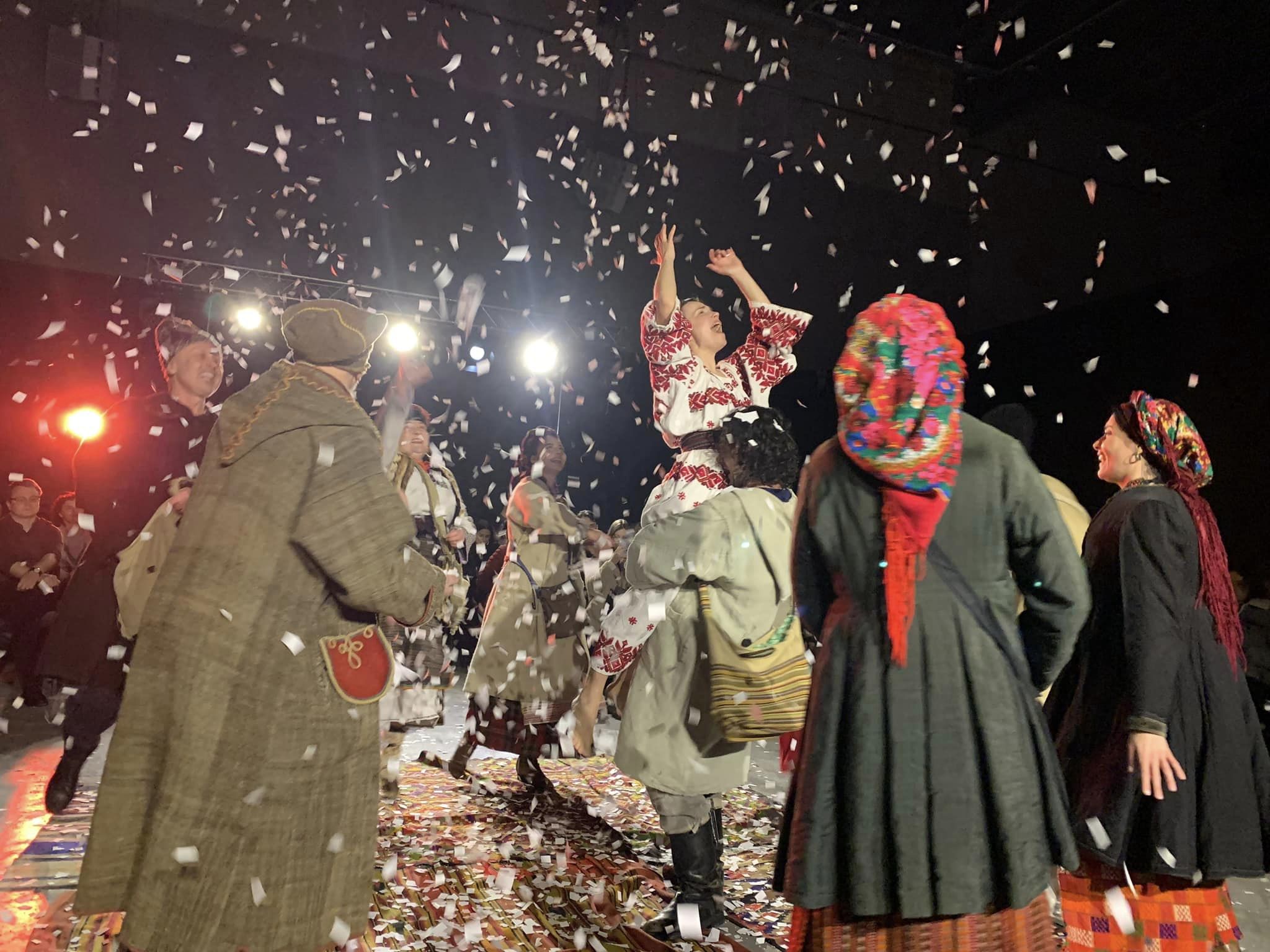
DakhaBrakha formed in 2004 at Kyiv’s DAKH contemporary arts center under theater director Vladyslav Troitskyi. The quartet combines Ukrainian folk material with rhythms and instruments drawn from elsewhere, and its own description emphasizes the influence of theater on its performances. Vocals sit alongside an unusual instrumental range, including cello and several kinds of percussion.12
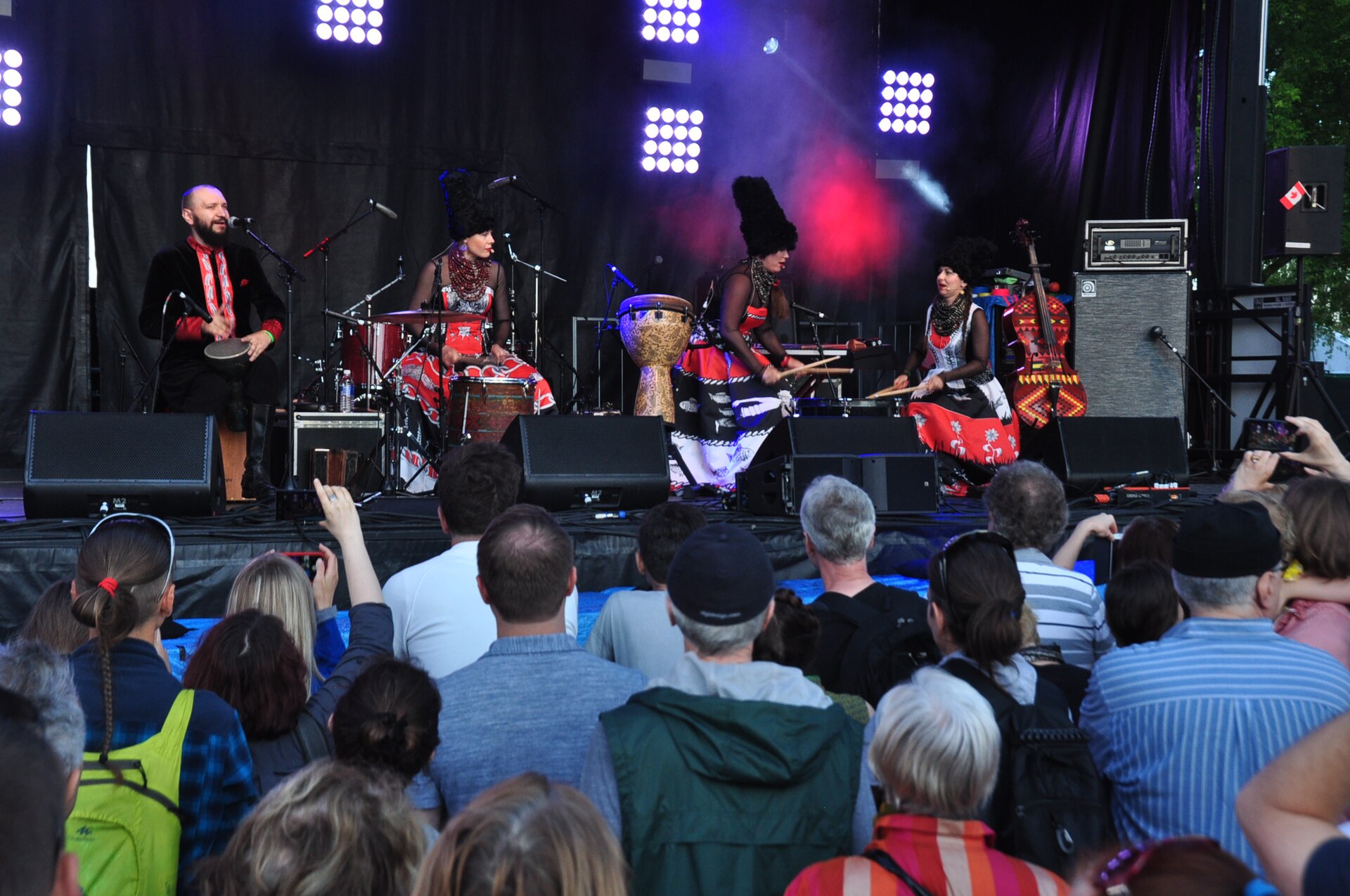
Their work offers a different relationship to inherited music from an archival reconstruction. The performers are making arrangements, choosing textures, and creating a contemporary stage experience. The folk material remains a source of artistic possibility.
It is easy for an outside audience to ask a tradition to remain recognizable in precisely the form in which that audience first encountered it. That expectation can become restrictive. A musician may want to learn a local style closely, create a new work from it, or pursue both activities at different times.
Those choices need room to coexist. An archive can help us hear a particular singer accurately. An experimental performance can make us curious enough to seek out that singer. The relationship is most rewarding when attention travels both ways and the source of the music remains visible.
Learning across an ocean
In New York, Ukrainian Village Voices brings that learning into a community of Ukrainian and non-Ukrainian singers. The collective’s own account describes repertoire gathered from recordings and from visits to villages in several Ukrainian regions. It acknowledges that its performances also acquire a North American character.13
A 2025 Smithsonian profile adds practical detail. The group teaches by ear rather than relying on musical notation, provides translations and transliterations, and welcomes people with different levels of experience. Its members traveled to Ukrainian villages in 2018, where encounters with local singers became an important part of their repertoire and relationships.14
For a newcomer, this makes participation imaginable. You do not have to arrive already knowing everything. You need a willingness to listen, repeat, and be corrected.
For the person teaching, the exchange can also change the audience for what they know. A local style reaches someone who might never have heard it otherwise. The connection remains meaningful when the teacher is remembered as a person, with a name and a particular contribution.
The group’s response to the full-scale invasion included performances and fundraising. Singer Natalie Oshukany spoke to the Smithsonian about sharing the traditions while remaining connected to the people who had taught them. The distance between New York and Ukraine did not erase the relationship; it changed what the singers could do within it.14
These stories also leave room for the limits of a song. Singing cannot reverse displacement or guarantee anyone’s safety. It can provide a task to share, a person to remember, and a form of knowledge that someone else can take time to learn.
Return, finally, to the separate voices in the Polyphony archive. The technology invites a particular kind of listening. Follow one singer. Notice the part you might otherwise have missed. Read the name and the place attached to the recording.
Then bring the other voices back.
What becomes audible is a relationship: people making something together, each carrying a part that the others need.
Try the archive in two passes
The Polyphony Project's separate voice controls offer a practical way to follow the relationships discussed here. Choose one recording, note the village and performers, and listen once to the ensemble. Then isolate a part where the interface permits it. Compare where it enters and what becomes easier to hear when the other voices return.
- One voice
- Its entries, repeated shapes and pauses. The name of the person carrying it. [2]
- The ensemble
- How that line meets the others. The recording's place and occasion. [2]
- Another performance
- What changes while a song remains recognizable. Different performers need not make identical choices. [6]
This is a listening procedure, not a claim that Folkly recorded or transcribed a performance. It gives the archive's technology a purpose: credit and attention can travel back to an individual singer rather than stopping at a national genre label.
Sources and further reading
A researched cultural essay based on the linked sources. No original interviews or firsthand reporting are claimed.